

Programs are structured around the target use case and capture method.
AI training data services
AI data operations, data products, annotation and governed delivery built around your specification.
Custom collection, synchronized multi-view capture, annotation, metadata preparation, quality review and documented OTS evaluation—scoped to the model objective and delivery requirement.
We align participants, environments, devices and review checkpoints before scale.
Outputs are organized for review, ingestion and project acceptance.
WorkflowEgo / exo capture with QA and structured delivery
Use casesRobotics, egocentric, OTS evaluation and annotation-ready datasets
Service directory
Dedicated AI data collection capabilities
Use these focused pages when your requirement is already defined by modality or delivery need.
Egocentric Video Data CollectionFirst-person, ego-exo and multi-camera task captureRobotics & Embodied AI DataHuman demonstrations and real-world task observationsSpeech & Audio Data CollectionProject-defined recording, metadata and quality controlsDocument & Image Data CollectionDocument photos, images, field capture and category controlData Annotation, Metadata & QALabels, metadata, technical checks and acceptance workflowsOTS Dataset Sourcing & EvaluationProvenance, rights, technical sampling and use-case fit
Delivery architecture
From modality to a reviewable dataset
Across services, the operating pattern stays consistent: define the requirement, control the capture method, validate quality and organize the handoff.
Task, environment, device, volume, metadata and acceptance criteria.
Field instructions, camera or sensor setup and controlled production.
Technical, content, capture and metadata review points.
Accepted files, metadata, manifests and agreed documentation.
01
Egocentric data collection
Capture human task activity from the participant’s point of view
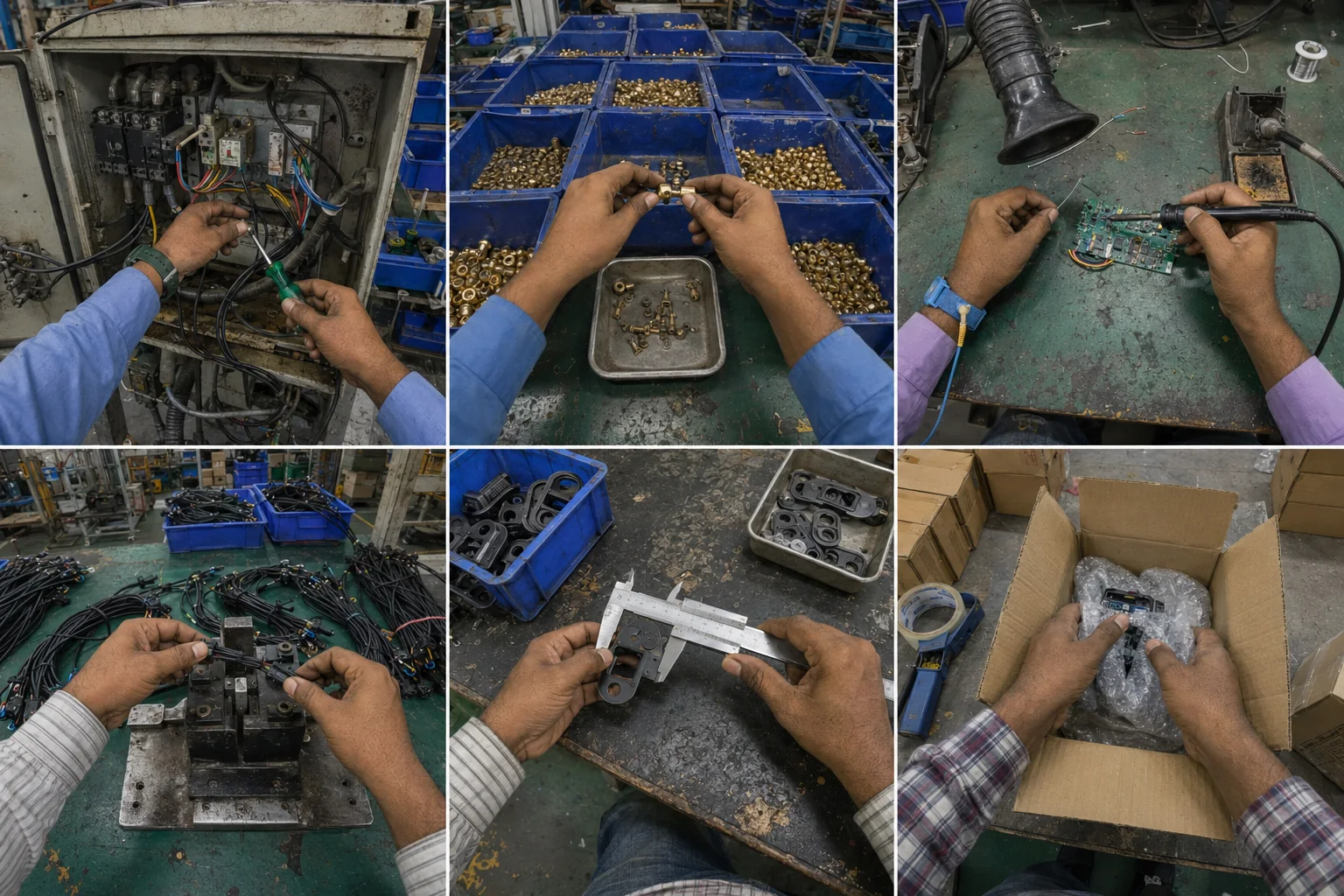
Wearable or head-mounted cameras record hands, tools, objects, and task sequences from a first-person perspective. Projects can cover household activities, industrial work, agriculture, maintenance, assembly, and other permitted environments.
First-person video
Wearable camera capture
Human activity data
Task sequence capture
Optional synchronized audio
Client-defined metadata

02
Exocentric & multi-camera collection
Add task context through controlled external-camera views
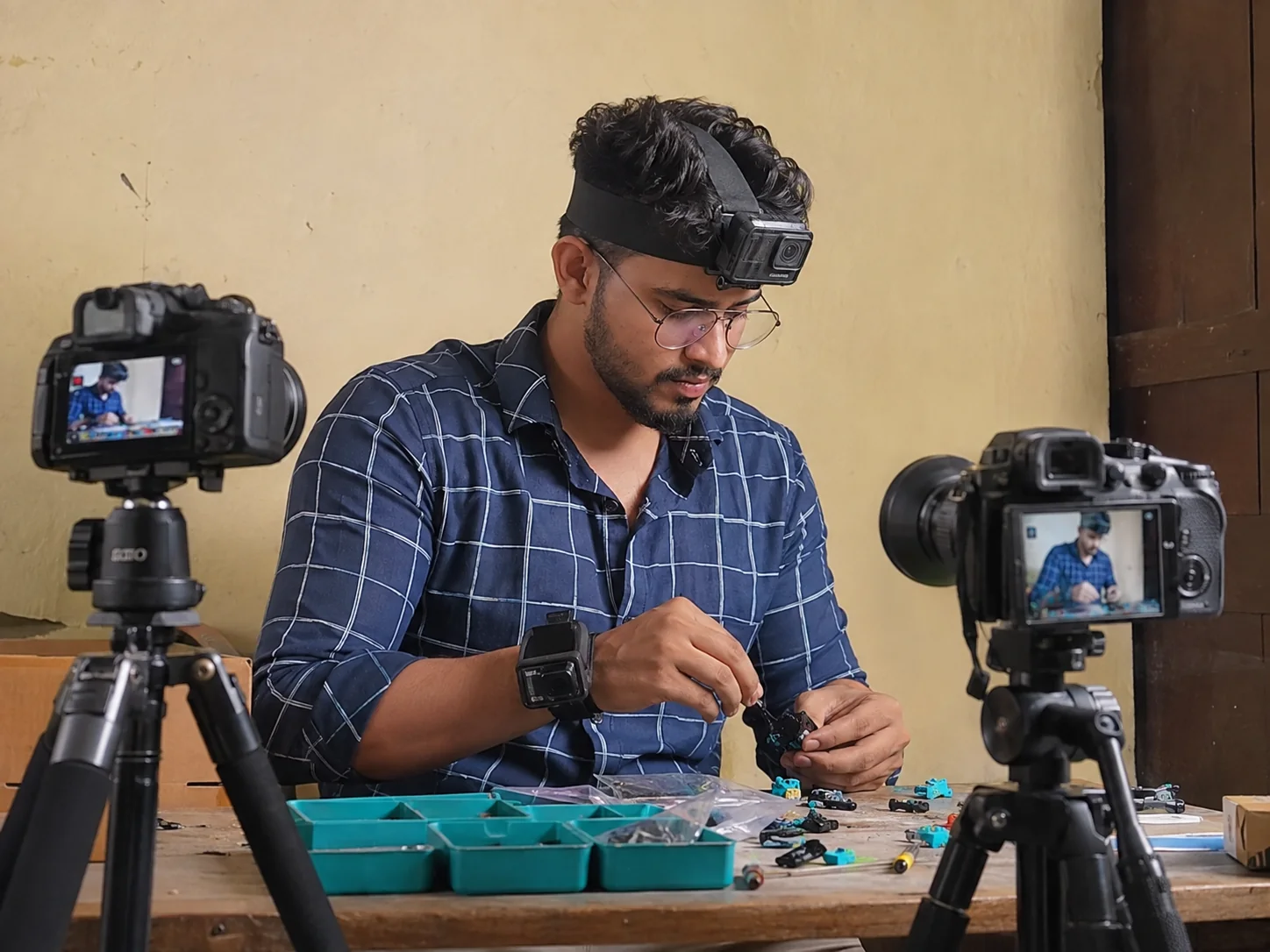
Fixed or tripod-mounted cameras provide third-person context around the participant. When synchronized with the wearable camera, they help clients review hand movement, body posture, environment, and task progression.
Fixed camera angles
Tripod-based capture
Multi-view task context
Wearable + external sync
Environment visibility
Capture protocol control
03
Video annotation & metadata
Turn raw recordings into structured, reviewable datasets
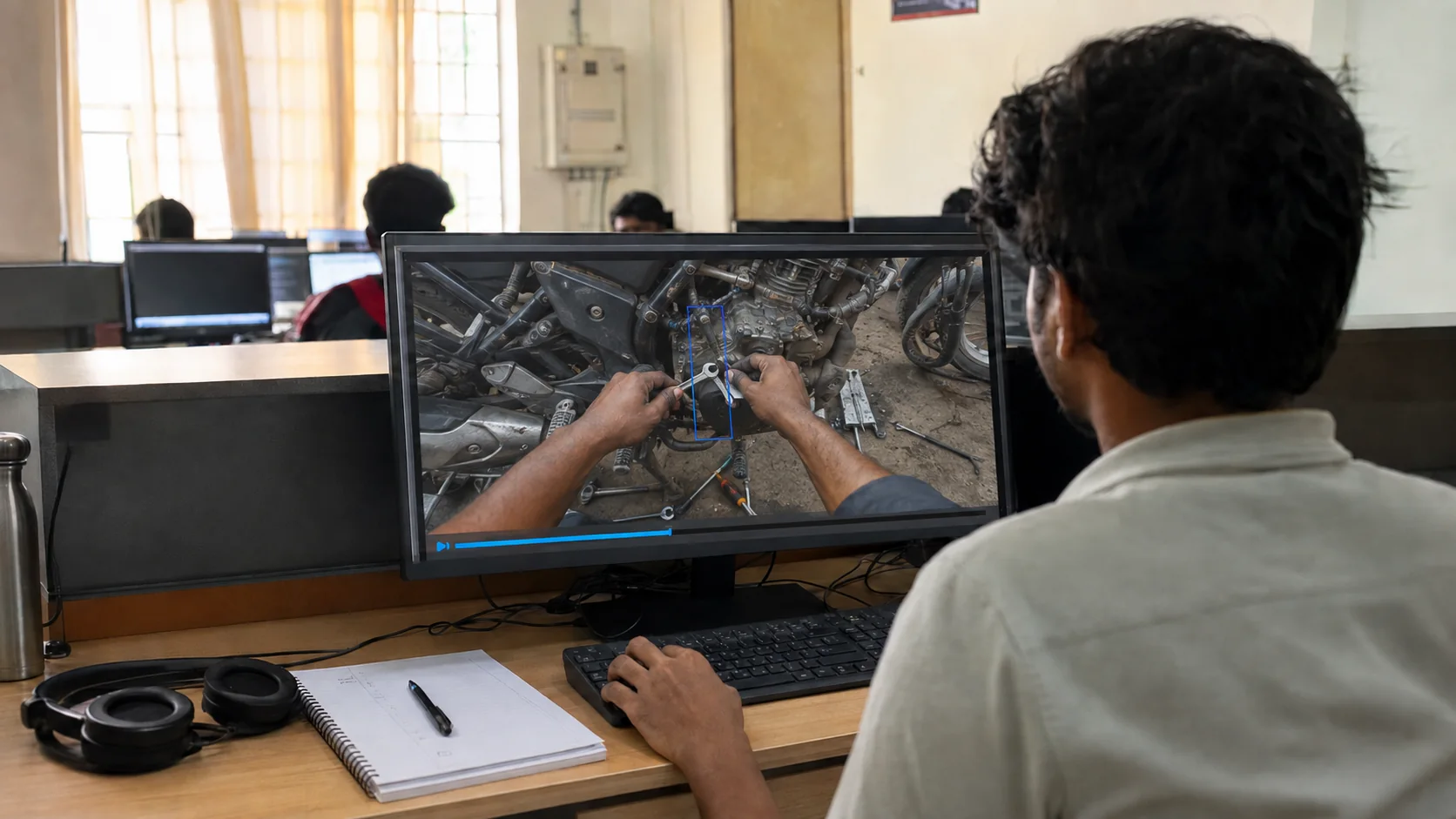
Annotation scope depends on the client schema. Support may include activity boundaries, event tags, timestamps, object references, task outcomes, file manifests, and structured metadata.
Task segmentation
Timestamping
Activity labels
Object references
Metadata schemas
Delivery manifests
04
Robotics & embodied AI data
Structure human demonstrations for embodied AI workflows
Projects can combine task video, synchronized viewpoints, timestamps, sensor or device metadata, task labels, and delivery structures designed for perception, planning, and manipulation pipelines.
Human task demonstrationsSynchronized viewpointsTimestamp alignmentSensor-aware metadataTask and outcome labelsPipeline-ready packaging
05
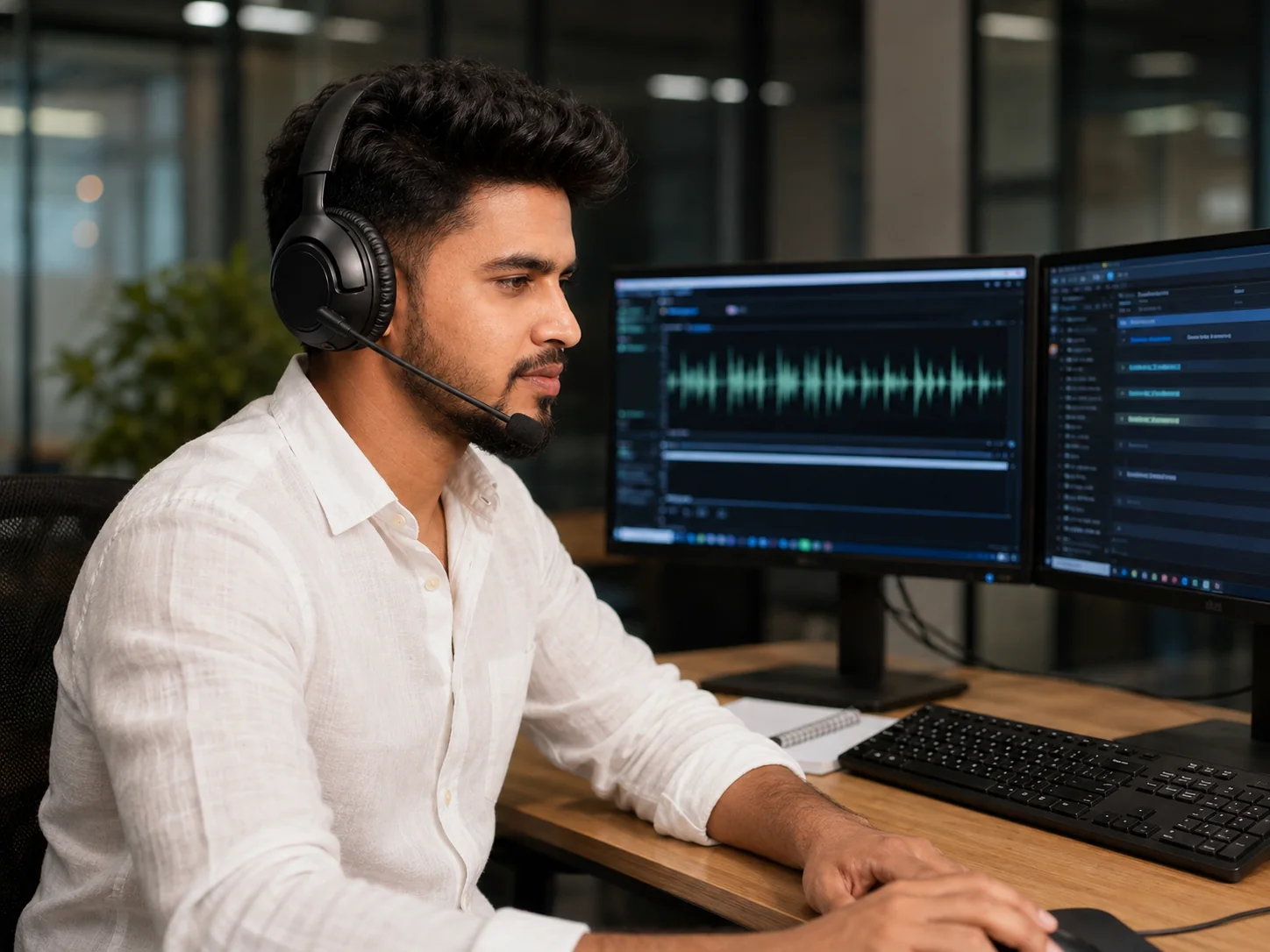
Audio data collection
Speech and conversational audio for language and voice systems
Audio programs can include headset recording, call-center style conversations, prompted speech, paired recording, multilingual collection, and audio review workflows.
Headset recording
Prompted speech
Conversation data
Call-center audio
Multilingual collection
Audio QA
06
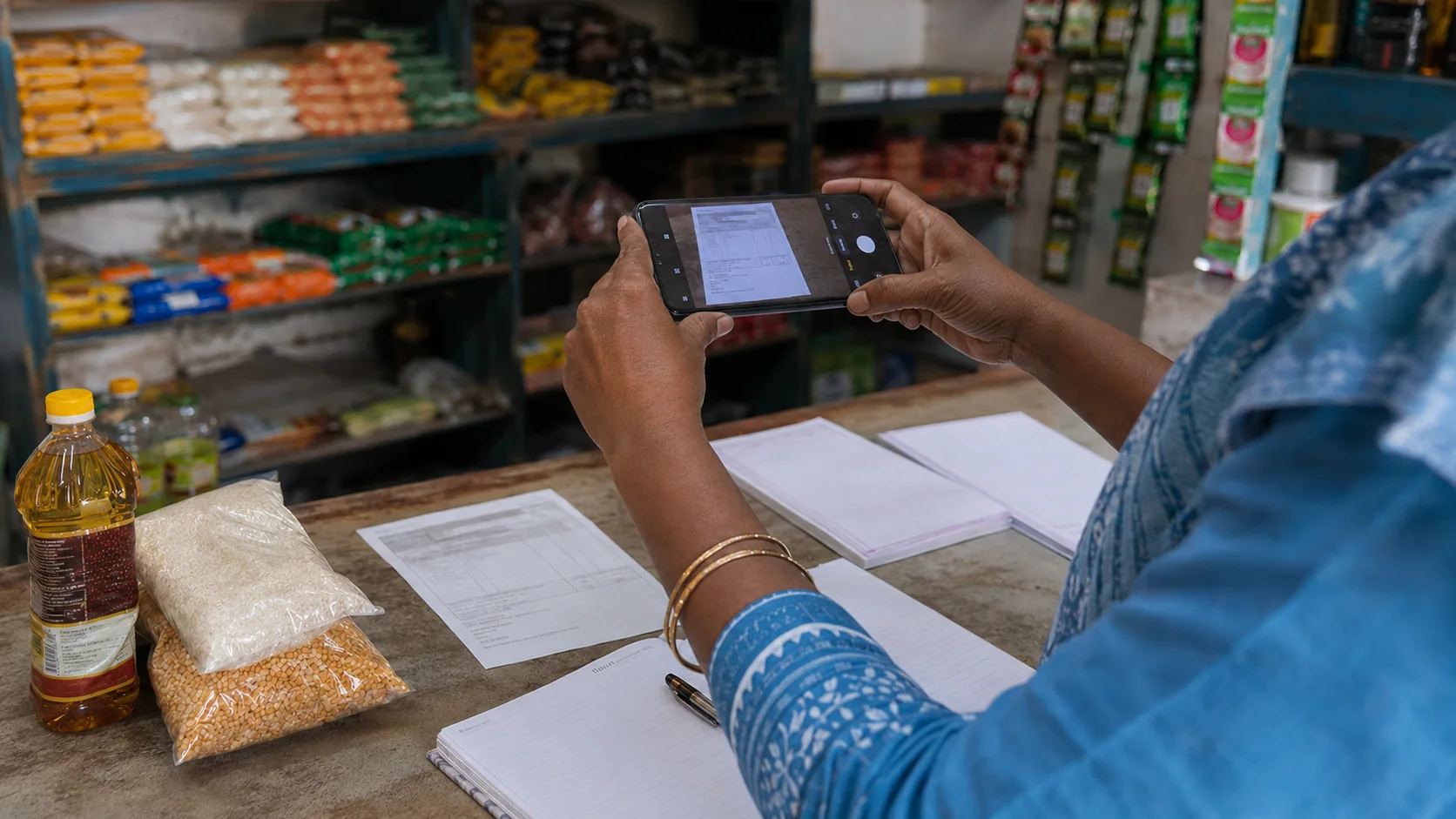
Text, image & document data
Collect text and document data from permitted real-world sources
Projects may include handwritten or printed documents, scene text, forms, receipts, signs, product packaging, and other project-defined visual or textual data.
Printed documents
Handwritten samples
Scene text
Forms & receipts
Image metadata
Language coverage
07
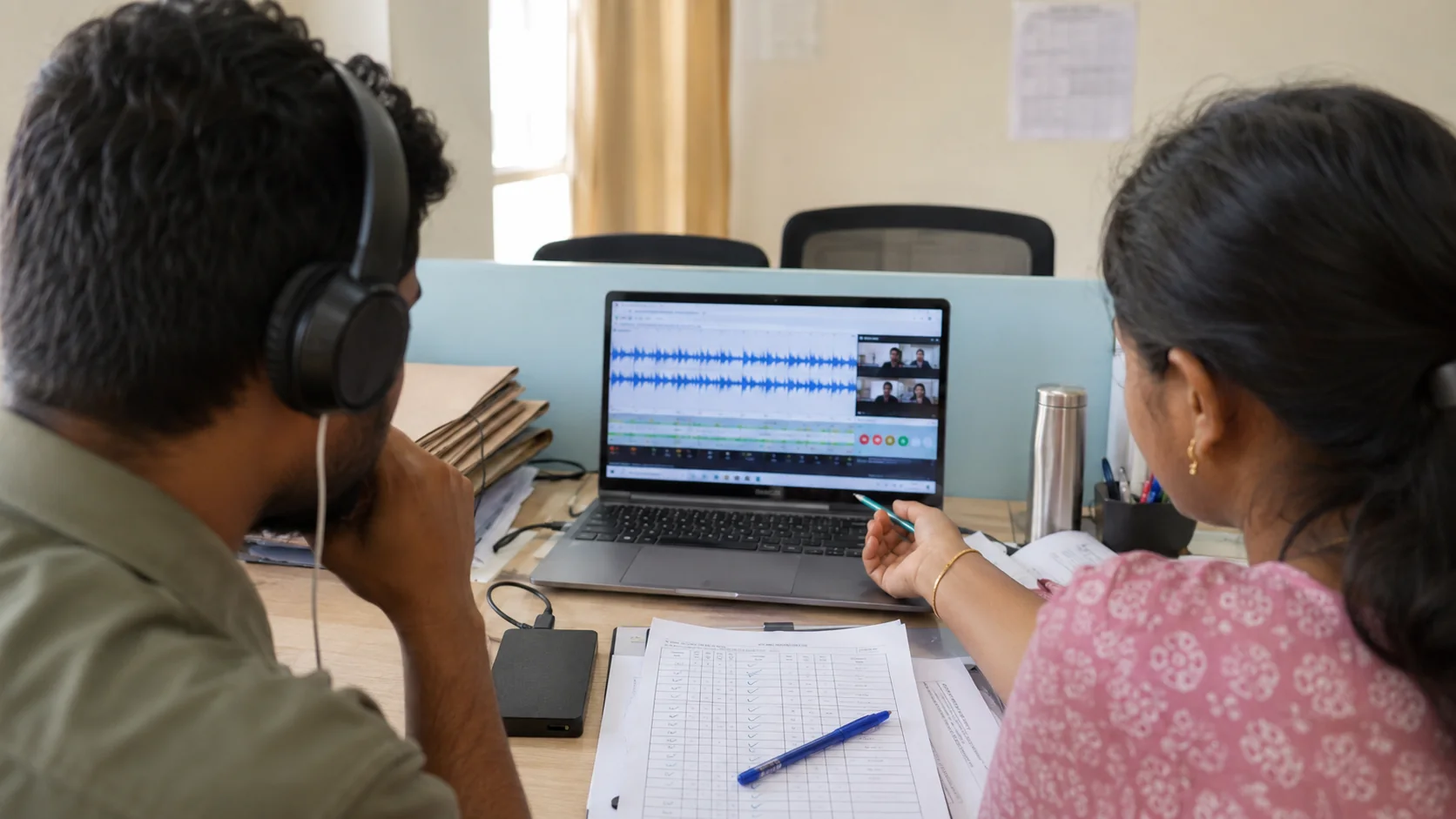
OTS datasets & sample evaluation
Evaluate dataset suitability before procurement
AMSYNK coordinates sample access, format checks, documentation review, metadata assessment, licensing questions, and technical feedback so the dataset can be evaluated against the intended use case.
Sample access
Technical format review
Metadata assessment
Documentation review
Licensing clarification
Evaluation handoff
Delivery outputs
Defined deliverables—not just raw files
Each engagement is scoped around the model objective, capture protocol, acceptance criteria, metadata structure, and delivery format.
Capture assets
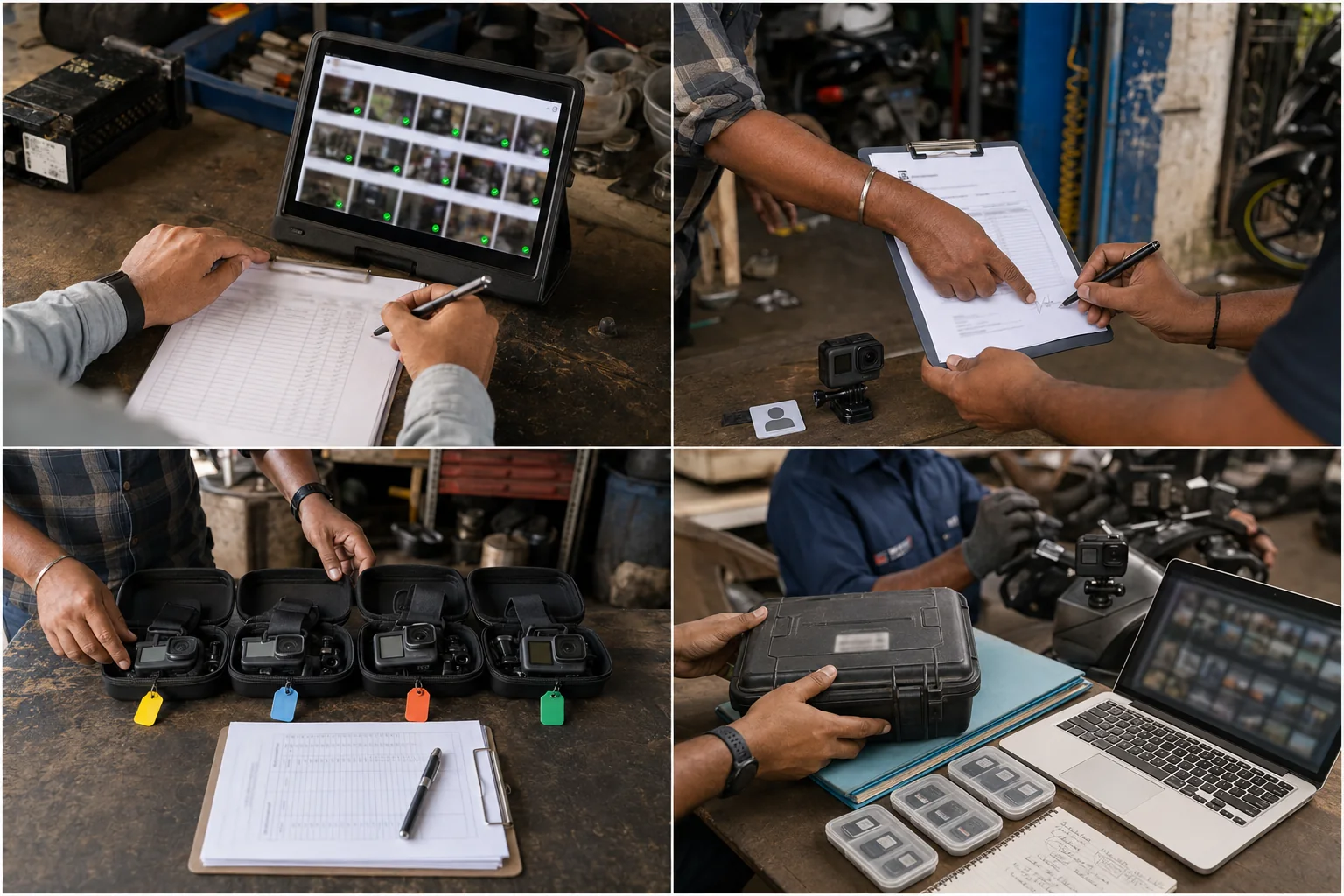
Original recordings or images organized by task, participant, environment, device, session, and collection batch.
Metadata package
Project-defined fields such as task ID, timestamps, viewpoint, device details, language, environment, and review status.
Quality records
Sample-review notes, batch checks, issue tracking, rejection reasons, and delivery reconciliation aligned with the agreed specification.
Delivery structure
Clearly named folders, manifests, checksums where required, and agreed formats prepared for secure transfer or client ingestion.
Project questions
AI data collection FAQs
What information is needed to assess a collection project?
Share the data modality, geography, target participants or environments, estimated volume, devices, task instructions, metadata requirements, timeline and acceptance criteria.
Can egocentric and exocentric cameras be used together?
Yes. A project can combine wearable first-person capture with fixed or operator-positioned external cameras when synchronized multi-view context is required.
Do you support pilot collections before scaling?
Yes. A pilot is used to validate instructions, task visibility, device placement, file structure, metadata and QA expectations before larger production cycles.
What can be included in the final delivery?
Depending on the project, delivery may include raw media, approved annotations, metadata tables, task notes, quality logs and an agreed folder and naming structure.
Dataset Due Diligence
OTS evaluation before commercial use
Existing datasets are assessed against the intended use case and available documentation. Evaluation does not imply automatic approval.
Provenance
Review the stated source, collection context, ownership chain and available supporting records.
Rights and licensing
Inspect permitted uses, transfer rights, restrictions and documentation relevant to the proposed project.
Technical validation
Check format, duration, duplication, signal or image quality, metadata coverage and sample consistency.
Use-case fit
Compare the dataset against language, domain, geography, task, demographic and acceptance requirements.
Have a defined data requirement?
Share the modality, geography, volume, timeline, device setup, metadata, and acceptance criteria.
Commercial capability map
Four ways AMSYNK supports AI data programs.
Start with the operating need rather than a generic service label.
Real-World Data Operations
Fresh field collection across video, audio, image, document and project-defined sensor workflows.
AI Data Products
OTS and specialized datasets evaluated for fit, rights, provenance, usable volume and delivery readiness.
View AI Data ProductsData Structuring & QA
Annotation, metadata, temporal segmentation, validation and structured handoff.
View Structuring & QAHealthcare & Medical AI Data
Medical imaging and healthcare dataset sourcing subject to availability, documentation and permitted use.
View Healthcare Capability